
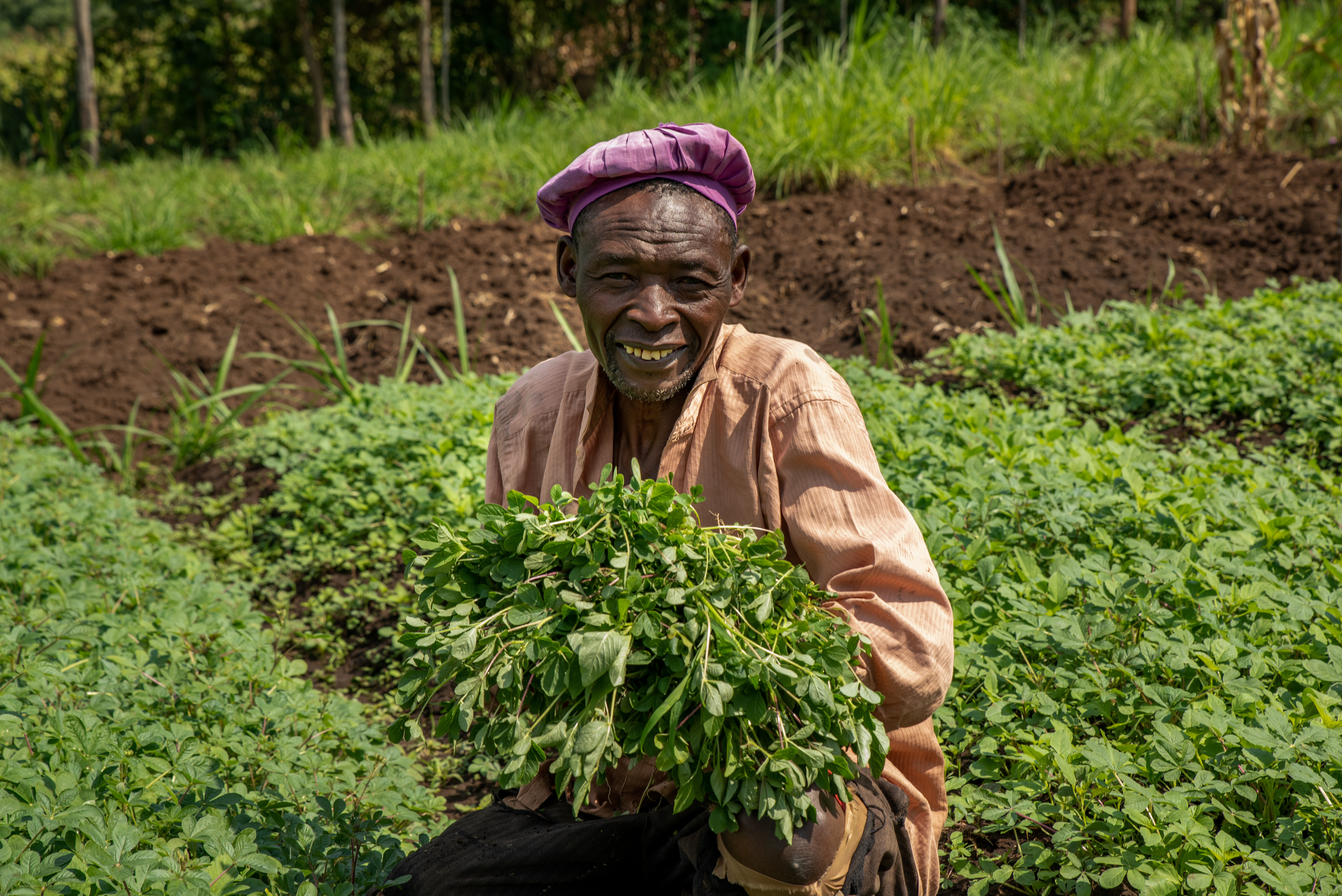
African Leafy Vegetables (ALVs) are more than just traditional crops—they are nutrient powerhouses, economic boosters, and climate-resilient plants that can transform livelihoods. At Justice And Mercy (JAM) Community Integrated Project, we are championing ALVs as a sustainable value chain to improve food security, health, and incomes in the communities.
Nutritional Benefits of Alvs
African Leafy Vegetables (ALVs) are highly nutritious and play a crucial role in food security and health, especially in sub-Saharan Africa. They are rich in vitamins, minerals, antioxidants, and dietary fiber. Below are the key nutritional values of some common ALVs:
Amaranth (Amaranthus spp.): A Nutritional Powerhouse
Amaranth stands out as an exceptionally nutrient-dense leafy green, offering a wealth of essential vitamins, minerals, and beneficial plant compounds. Packed with vitamin A (beta-carotene), vitamin C, and vitamin K, it supports immune function, vision, and blood clotting. The plant is also rich in folate (B9), crucial for cell growth and development. Mineral-wise, amaranth delivers significant amounts of calcium for bone health, iron for blood production, magnesium for muscle function, potassium for heart health, and zinc for immunity.
With 2-4 grams of protein per 100 grams, amaranth provides a complete amino acid profile, including the often-limited lysine, making it particularly valuable for plant-based diets. Its high dietary fiber content promotes healthy digestion and gut function. Additionally, amaranth contains antioxidants like flavonoids and phenolic compounds, which help combat oxidative stress and inflammation in the body. This combination of nutrients makes amaranth a versatile and potent addition to a balanced diet.
African Nightshade (Solanum spp.): A Nutrient-Dense Indigenous Vegetable
African Nightshade stands as a nutritional powerhouse among traditional leafy greens, offering a remarkable concentration of essential vitamins and minerals. This underutilized vegetable serves as an excellent source of vitamin A (crucial for vision and immunity) and vitamin C (a potent antioxidant supporting skin health and iron absorption), along with valuable B vitamins that aid energy metabolism.
The mineral profile of African Nightshade is equally impressive, containing significant amounts of calcium for bone strength, iron for blood health, and phosphorus for cellular repair. Beyond basic nutrition, it’s particularly rich in beneficial phytonutrients, including powerful antioxidants like carotenoids (which convert to vitamin A) and chlorophyll (known for its detoxifying properties).
Cowpea Leaves (Vigna unguiculata): A Nutrient-Rich Indigenous Superfood
Cowpea leaves are emerging as a nutritional powerhouse among traditional African vegetables, offering an impressive array of essential vitamins and minerals. These dark green leaves are particularly rich in vitamin A (supporting vision and immunity) and vitamin C (a potent antioxidant), along with folate which is crucial for cell growth and development – especially important for pregnant women.
The mineral content of cowpea leaves makes them particularly valuable for addressing common deficiencies, with significant amounts of iron (helping combat anemia), calcium (for bone health), magnesium (supporting muscle and nerve function), and potassium (regulating blood pressure).
Notably, cowpea leaves stand out among leafy greens by providing 4-5 grams of plant-based protein per 100g serving, containing all essential amino acids.
Spider Plant (Cleome gynandra): An Indigenous Supergreen with Powerful Health Benefits
Commonly known as “Saget” in Kenya, the spider plant is a nutritional treasure among traditional African leafy vegetables. This hardy green boasts exceptional levels of vitamin A (critical for vision and immune function) and vitamin C (a powerful antioxidant), providing more than twice the vitamin C content of oranges by weight. Its mineral profile is equally impressive, with significant concentrations of iron (combating anemia), calcium (supporting bone health), and phosphorus (essential for energy metabolism).
What truly sets spider plant apart is its unique glucosinolate compounds – potent antioxidants with demonstrated anti-cancer properties in scientific studies. These bioactive compounds, combined with its nutrient density, make it:
Pumpkin Leaves (Cucurbita spp.): A Versatile and Nutritious Traditional Vegetable
Pumpkin leaves, known locally as “seveve” or “mchicha wa malenge,” are emerging as a nutritional powerhouse in Kenyan cuisine. These vibrant green leaves offer an impressive array of vitamins, including vitamin A for healthy vision and immunity, vitamin C for collagen formation and antioxidant protection, and vitamin E for skin health and cellular protection.
Rich in essential minerals, pumpkin leaves provide iron to combat anemia, calcium for strong bones, potassium for heart health, and magnesium for nerve and muscle function. Their high dietary fiber content promotes digestive health and helps regulate blood sugar levels.
Ethiopian Kale (Brassica carinata): A Nutrient-Dense Superfood with Health-Promoting Properties
Ethiopian kale, a highly nutritious leafy green vegetable, offers an exceptional nutritional profile that supports overall health and wellbeing. This robust brassica is particularly rich in vitamin C, a powerful antioxidant that boosts immunity and enhances iron absorption, along with vitamin K, essential for blood clotting and bone health. Its high beta-carotene content, which converts to vitamin A in the body, promotes healthy vision and immune function.
The vegetable is also an excellent source of important minerals, including calcium for strong bones and teeth, and iron to help prevent anemia – a common nutritional deficiency. What makes Ethiopian kale particularly valuable are its glucosinolates, sulfur-containing compounds that have demonstrated cancer-fighting properties in numerous scientific studies.
Jute Mallow (Corchorus olitorius): A Nutrient-Packed Leafy Green with Digestive Benefits Commonly known as “mrenda” in Kenya, jute mallow is a highly nutritious indigenous vegetable gaining recognition for its impressive health benefits. This versatile leafy green boasts high levels of vitamin A for vision and immune support, vitamin C for antioxidant protection and collagen synthesis, and vitamin E for skin health and cellular protection.
The vegetable is mineral-rich, providing substantial amounts of calcium for bone strength, iron for blood health, and magnesium for nerve and muscle function. What sets jute mallow apart is its natural mucilage content – a gel-like substance that soothes the digestive tract, promotes gut health, and may help regulate blood sugar levels.
Blackjack (Bidens pilosa): A Nutritious Wild Vegetable with Medicinal Benefits
Locally known as “mchicha pori” in Kenya, Blackjack is a highly nutritious wild vegetable that doubles as a traditional remedy. This resilient plant offers a good source of vitamin A for healthy vision and immune function, along with vitamin C for antioxidant protection and collagen production. It also provides essential minerals including iron to combat anemia and calcium for strong bones and teeth.
Beyond its nutritional value, Blackjack has been used for generations in African traditional medicine for its remarkable healing properties. The plant exhibits anti-inflammatory effects and is commonly applied topically to promote wound healing, demonstrating its dual role as both food and medicine.
African Leafy Vegetables: Nutritional Powerhouses for Holistic Health
African Leafy Vegetables (ALVs) offer a remarkable array of health benefits that address multiple aspects of wellbeing. These indigenous superfoods are particularly effective at boosting immunity through their rich vitamin C and A content, helping the body fight infections and maintain healthy mucous membranes. Their high beta-carotene levels convert to vitamin A in the body, supporting optimal vision health and preventing night blindness.
ALVs play a crucial role in preventing anemia, providing both iron for hemoglobin production and folate for healthy red blood cell formation. The combination of calcium and vitamin K in these vegetables makes them excellent for bone strengthening, reducing osteoporosis risk. Their significant dietary fiber content promotes healthy digestion, prevents constipation, and may help regulate blood sugar levels.
Beyond basic nutrition, ALVs contain powerful antioxidants and anti-inflammatory compounds that protect cells from damage, reduce chronic inflammation, and may lower risk of non-communicable diseases.