
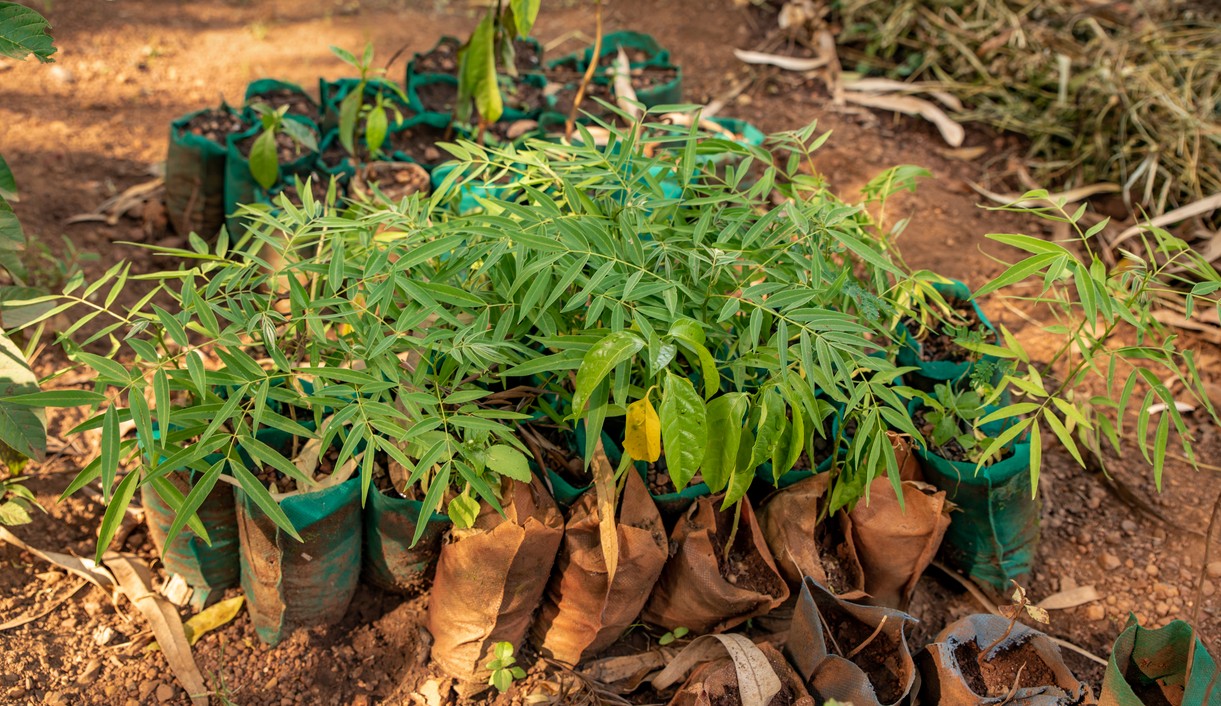
At the intersection of education reform and environmental action, JAM’s pioneering school nursery program is cultivating more than just trees—it’s nurturing Kenya’s sustainable future. This innovative initiative directly supports multiple Sustainable Development Goals, including Quality Education (SDG 4), Climate Action (SDG 13), and Life on Land (SDG 15), while aligning perfectly with Kenya Vision 2030’s environmental conservation and education pillars.
By transforming school yards into dynamic learning laboratories, JAM is bridging theory and practice in remarkable ways. Students don’t just study biology and environmental science—they live it, mastering propagation techniques while restoring ecosystems and offsetting carbon emissions. The results speak for themselves: thousands of native seedlings planted, school temperatures regulated, and a generation empowered with practical green skills.
This comprehensive model exemplifies how environmental education can drive national development goals. As we explore JAM’s phased approach—from establishment to full implementation—we see how it creates self-sustaining systems that benefit both students and the environment. In doing so, it’s not just planting trees, but planting the seeds for achieving Kenya’s Vision 2030 aspirations of environmental sustainability and youth empowerment.
The established school nurseries function as dynamic living laboratories, seamlessly bridging the gap between theoretical learning and hands-on practice. These nurseries provide students with invaluable opportunities to engage in practical agriculture lessons, where they master essential techniques such as propagation, grafting, and nursery management as part of their core curriculum. Beyond the classroom, environmental clubs—often called “Green Teams”—empower students to take ownership of nursery operations while spearheading impactful conservation initiatives. Additionally, the nurseries serve as a vibrant platform for STEM education, bringing subjects like biology, chemistry, and mathematics to life through real-world applications. By integrating academic concepts with tangible experiences, JAM fosters a deeper understanding of sustainability, science, and environmental stewardship among students.
Each school nursery plays a vital role in advancing Kenya’s national environmental goals, fostering a greener future through direct action. Annually, participating schools produce over 10,000 seedlings, significantly boosting reforestation efforts. A key focus is the preservation of native species, with students actively propagating indigenous trees to protect biodiversity and restore local ecosystems. Additionally, these nurseries contribute to carbon footprint reduction, as students offset emissions through strategic tree planting initiatives. The impact is tangible—school compounds once dominated by bare grounds have been transformed into thriving mini-forests, with many institutions reporting drop in temperatures, creating cooler, healthier learning environments. Through this initiative, students are not just learning about sustainability; they are actively shaping Kenya’s green legacy.
The JAM initiative follows a structured, phased approach to ensure successful nursery establishment in schools. In Phase 1: Establishment, JAM equips participating schools with essential starter kits, including seeds, tools, and training manuals to kickstart their nurseries. Teachers receive specialized training in nursery management, empowering them to guide students effectively. Schools then allocate dedicated land and assemble student teams, creating a foundation for hands-on learning and environmental stewardship. This initial phase sets the stage for sustainable growth, blending education with practical conservation efforts.
During this hands-on phase, students take active ownership of nursery operations under the guidance of trained teachers, applying their classroom learning to real-world agricultural management. JAM supports this growth through regular on-site monitoring by Agricultural Field Officers, who provide technical expertise and ensure best practices are followed. To institutionalize environmental education, schools formally integrate nursery activities into the academic timetable, dedicating 2-3 structured hours each week to practical agricultural work. This structured approach transforms the nursery from a project into a sustained learning laboratory where theoretical knowledge meets daily practice.
The JAM school nursery initiative represents a transformative approach to education and environmental conservation through its scalable, sustainable, and multidimensional framework. Designed for nationwide impact, the model can be easily replicated across Kenya’s 30,000+ schools, offering a practical blueprint for large-scale reforestation. Its self-sustaining design ensures long-term viability, as students and teachers develop the skills to maintain nurseries independently. Beyond environmental benefits, the program takes a holistic approach by simultaneously advancing multiple Sustainable Development Goals (SDGs), including quality education, climate action, and life on land. Most importantly, it empowers students by equipping them with tangible agricultural skills and fostering a sense of agency in shaping both their future and Kenya’s ecological legacy. This innovative model doesn’t just teach sustainability—it puts it into practice, creating a generation of environmentally conscious problem-solvers.
Joining this transformative program is straightforward and impactful. Interested schools begin by registering with JAM’s dedicated education program which links them with the climate change desk, gaining access to comprehensive support and resources. Participation requires allocating suitable land for nursery development and appointing committed teacher coordinators to oversee the project. To ensure sustainability and maximum educational value, schools integrate nursery management activities into their regular academic calendars, creating structured opportunities for hands-on learning. This simple yet powerful framework enables any school to become an active participant in cultivating Kenya’s green future while enriching their students’ education.
JAM’s school nursery initiative represents more than an environmental program—it’s a transformative movement that re-imagines education for the 21st century. By turning classrooms into living laboratories and students into active conservationists, this model has demonstrated how hands-on learning can simultaneously address climate change, biodiversity loss, and educational gaps. The program’s measurable successes—from thousands of native seedlings propagated to verifiable microclimate improvements in school compounds—prove that practical, student-led environmental action can create tangible change.
What makes this initiative truly revolutionary is its dual impact: while restoring Kenya’s ecosystems, it’s also cultivating a new generation of environmentally literate citizens equipped with practical STEM skills. The program’s alignment with both the Sustainable Development Goals and Kenya Vision 2030 demonstrates how grassroots educational innovation can contribute to national and global agendas.
As more schools embrace this model, we’re witnessing the growth of something far greater than individual nurseries—we’re seeing the roots of a national transformation take hold. Each student-tended seedling represents hope: for cooler schoolyards, richer biodiversity, and a future where young Kenyans don’t just inherit the environment, but actively shape it.
The path forward is clear. By scaling this self-sustaining model across Kenya’s 30,000+ schools, we have an unprecedented opportunity to turn every institution into a hub of environmental stewardship and practical learning. JAM has planted the seed—now it’s our collective responsibility to nurture this growing movement that promises greener schools, smarter education, and a more sustainable Kenya for generations to come.